
Monsoon season brings heavy rain and high humidity, turning homes into inviting spots for mold, especially in the tiny cracks of grout between your tiles. Once mold sets in, it spreads quickly and becomes hard to remove. Here’s what it takes to keep your grout clean, dry, and mold-free through the wet months: keep grout lines clean and dry, clean regularly, and apply a high-quality sealer to block moisture. Reseal on a regular schedule, especially in high-moisture areas like showers, to protect your tile long-term.
Identifying Vulnerable Areas
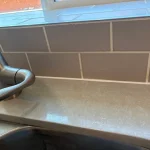
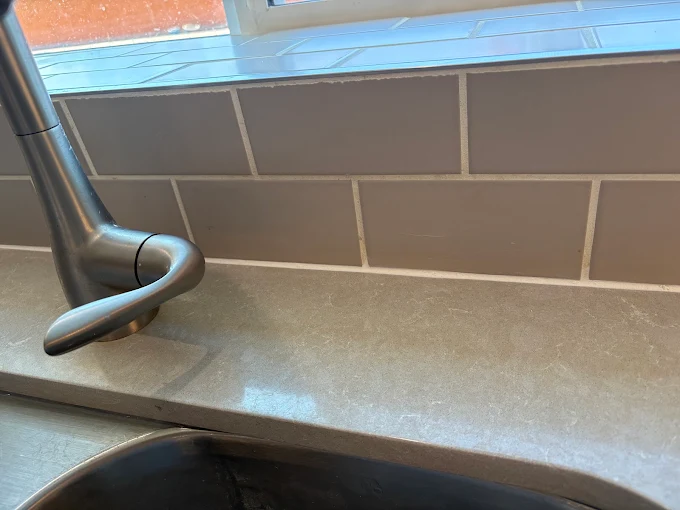
Bathrooms are the most common trouble spot, since constant water exposure around showers and grout lines gives mold what it needs to thrive. Kitchen sinks and backsplashes face similar risk from splashes and food debris.
A few other areas worth watching:
- Basements: poor drainage or groundwater seepage creates hidden dampness in low-light spaces.
- Attics: unnoticed roof leaks let water reach insulation and wood beams.
- Windowsills: condensation from indoor/outdoor temperature differences creates small, persistent damp spots.
- Crawl spaces: poor ventilation traps moisture that can spread into flooring above.
What these have in common is moisture paired with limited airflow. The EPA recommends keeping indoor humidity below 60 percent, ideally between 30 and 50 percent, and during monsoon season, bathrooms and kitchens can easily climb above that range. Quality grout sealing, like the work Tucson Tile & Grout provides, turns these vulnerable spots into a stronger defense against water intrusion and the mold that follows.
Controlling Humidity
Humidity is the primary driver of mold growth, and cleaning alone won’t keep mold from returning if it isn’t addressed. A dehumidifier sized for your space helps maintain the EPA’s recommended humidity range. Ventilation matters just as much: bathroom and kitchen exhaust fans need to vent outdoors, not into attics or crawl spaces, which is a common installation mistake that just relocates the moisture problem.
Humidity monitors placed in grout-heavy rooms or damp basements help you catch rising moisture early, so you can act before mold gets a foothold, whether that means running a dehumidifier, opening a window, or checking for a leak.
Sealing and Cleaning Techniques
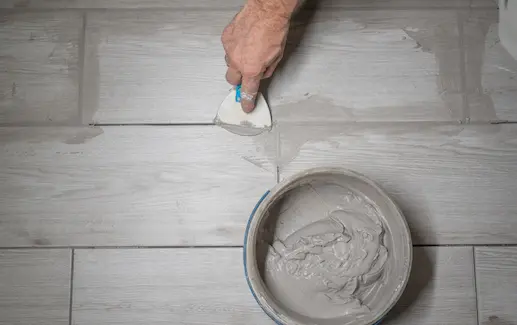
Sealing grout is your first line of defense. Grout is naturally porous, so an unsealed surface absorbs water and dirt easily, creating the trapped moisture mold needs. Resealing on a regular basis, especially in wet areas like showers, keeps this protection effective, since sealant wears down over time with foot traffic and scrubbing. Getting even coverage in tight grout lines and respecting dry time takes care, which is why many homeowners choose to have sealing done professionally, especially in high-moisture rooms.
For cleaning:
- Use pH-neutral cleaners or a baking soda and water paste. Harsh chemicals erode grout over time.
- Use soft-bristle brushes. Stiff brushes can scratch grout and create grooves where mold takes hold.
- Pay extra attention to corners and edges, where moisture and dirt often get missed.
- Wipe down wet areas daily during monsoon season to interrupt buildup early.
Recognizing Mold Signs
Mold often starts quietly. Watch for:
- Discoloration: black, green, gray, or pink patches along grout lines.
- A musty smell: a damp, earthy odor, even before visible signs appear.
- Texture changes: fuzzy, slimy, or powdery coating.
- Location: dark corners, under cabinets, or behind appliances, where moisture builds unnoticed.
A flashlight helps spot mold in these darker areas. Catching signs early lets you act before mold spreads and becomes harder to manage.
Strategies for Existing Moisture Problems
Preventing grout mold takes more than wiping away visible mold, since the real problem often lies in unseen moisture underneath. Fixing leaks quickly, whether from a pipe, window seal, or roof, prevents steady moisture buildup that can undo any cleaning or sealing you’ve already done. In a climate like Tucson’s, even small leaks can lead to persistent dampness during monsoon season.
Keeping gutters and downspouts clear helps rainwater flow away from your foundation instead of pooling and seeping into basements or crawl spaces. Indoor condensation, which forms when warm air meets cool surfaces like tiled walls or uninsulated pipes, is worth addressing too: better insulation and a dehumidifier both help reduce it.
Grout sealing plays an important role in this defense system. Professional sealing from a team like Tucson Tile & Grout helps keep moisture out where it tends to creep in, complementing the broader moisture-control steps around your home.
Practical Steps to Stop Mold Growth
Regular inspections in moisture-prone spots, bathrooms, kitchens, laundry rooms, and less obvious areas like behind the refrigerator, catch problems early. A quick weekly visual check during the wettest months, with a flashlight for dark spaces, helps you spot trouble before it turns into a costlier repair.
If you find mold, act quickly: clean hard surfaces with a mild detergent and water, then dry the area thoroughly, since drying is what actually stops mold from returning. Wear an N-95 mask and gloves while cleaning. Small mold patches, generally about 10 square feet or less, can typically be handled safely by homeowners following EPA guidance, but larger infestations are best left to professionals who specialize in mold remediation.
Anti-mold sprays can help too, but work best alongside moisture control, not as a substitute for it.
Long-Term Home Protection
A one-time cleanup won’t keep mold away for good. A whole-house dehumidifier integrated with your HVAC system helps keep humidity steady throughout your home, and regular monitoring catches equipment issues before moisture problems return.
Addressing water intrusion from outside matters just as much, especially during monsoon season. Waterproofing a basement or foundation, which may involve drainage inspection or a sump pump, is a bigger upfront investment, but it’s generally far less costly than the structural damage and health effects mold can cause over time.
Maintaining clean gutters, checking for leaks, and keeping high-moisture areas well ventilated all contribute to keeping mold at bay. Long-term protection comes down to consistency: humidity control, proper waterproofing where needed, and ongoing maintenance.
Ready to Protect Your Home This Monsoon Season?
Grout mold can be tough to catch early, and even tougher to keep from coming back without professional sealing. Tucson Tile & Grout offers free in-home estimates for homeowners throughout Tucson, Marana, Oro Valley, and the Catalina Foothills, helping you head into monsoon season with grout that’s clean, sealed, and ready for the rain. Schedule your free estimate today or call us at (520) 523-8499.