
When was the last time you really took a good look at your bathtub? If you can’t remember, it might be time to start paying closer attention. Bathtubs can silently suffer from issues that could lead to bigger headaches down the line, like mold or water damage. Many people don’t realize that simple things like cracks in the caulk or discoloration can be signs of trouble.
Key signs that your bathtub needs recaulking include visible cracks or gaps in the caulk, discoloration or staining indicating moisture penetration, and a musty smell that may suggest mold growth behind tiles. Regular inspections for these signs are essential to prevent water damage and maintain your bathtub’s integrity.
Signs Your Bathtub Needs Recaulking
Your bathroom may look fine on the surface, but hidden moisture and aging caulk can silently lead to costly damage. Recaulking your bathtub is a crucial part of maintaining a healthy, mold-free environment. Below are the key warning signs that indicate it’s time to take action and recaulk your bathtub.
- Persistent Dampness or Musty Odors: A constant musty smell or lingering dampness in your bathroom may be a red flag. These signs often point to moisture seeping behind tiles due to failed caulking, creating a breeding ground for mold.
- Outdated or Aging Caulk: Caulk typically lasts around five years before it begins to deteriorate. If it’s been a while since your last recaulk, the material could be drying out and losing its ability to seal properly.
- Visible Cracks or Gaps: Cracks or gaps larger than 1/16 inch in the caulk are more than just cosmetic—they allow water to infiltrate behind walls or under flooring. This can lead to serious water damage and structural issues over time.
- Discoloration or Mold on Caulk: Dark stains or visible mold along the caulk lines suggest water has breached the protective seal. Not only is mold unsightly, but it also poses health risks and indicates a compromised barrier.
- Water Stains Around the Bathtub: Staining or soft spots on nearby walls or flooring are warning signs that water is leaking through failed caulking. If the caulk is soft, peeling, or easily comes away from the surface, it’s no longer doing its job.
Proactive bathtub maintenance helps you avoid the headache of costly repairs later on. By watching for these signs and addressing issues early, you’ll protect your home from moisture damage and ensure your bathroom stays clean, safe, and structurally sound. Don’t wait for the damage to surface—inspect and recaulk as needed.
Visible Cracks and Peeling
One of the most telling signs that your bathtub may be in trouble is the appearance of visible cracks and peeling caulk. These imperfections form where the caulk has lost its sealing ability, creating gaps that water can infiltrate. Not only does this allow for potential leaks, but it also sets up a perfect environment for mold growth, which can become a serious health concern over time.
Causes of Cracks
So what leads to these cracks appearing? Several factors contribute to this issue.
- Daily Wear and Tear: Regular use of your bathroom exposes caulk to constant moisture and humidity. Over time, this consistent exposure can weaken the bond between the caulk and the surrounding surfaces.
- Temperature Fluctuations: Bathrooms often experience changes in temperature from hot showers or cold drafts. These fluctuations cause the surrounding materials to expand and contract, stressing the caulk and causing it to crack or pull away.
- Improper Application: If caulking was applied poorly—whether rushed, uneven, or on a dirty surface—it won’t adhere properly and may peel prematurely. Using low-quality materials can also shorten the lifespan of the sealant significantly.
Cracks and peeling in caulk aren’t always due to age alone—daily use, environmental changes, and poor installation all play a role. By being aware of these factors, you can make more informed choices when recaulking and maintain a better seal for the long haul.
Gaps and Exposed Edges
Examine the edges around your bathtub closely. If you notice areas where the caulking has pulled away from the surface, revealing a gap, that’s a clear indicator that the seal is compromised. These gaps can sometimes be minuscule, measuring just over 1/16 inch, but their implications can be anything but minor. They disrupt the smooth water barrier you’re expecting and create perfect entry points for moisture.
Identifying the Risks
With each shower you take, water penetrates these gaps, seeping into the walls behind your tub. This unnoticed infiltration can lead to mold growth and structural damage over time—potentially resulting in significant repairs that could have been avoided with timely maintenance. You might think, “It’s just a little gap,” but consider this: moisture can cause mold to develop within 24 to 48 hours in a damp environment. That’s faster than most people realize!
The Value of Timely Action
Addressing these easily detectable issues can safeguard against unforeseen damage and help preserve both your wallet and peace of mind. Imagine saving yourself from costly renovations by simply inspecting and correcting minor gaps regularly. Regular checks—ideally once a year—ensure you catch these problems early before they escalate into more serious concerns.
Recognizing these signs is essential not only for maintaining your bathtub but also for preventing further complications in your home.
Water Damage Indicators
Water damage in bathrooms often starts subtly—out of sight and easy to ignore until it becomes a bigger problem. One of the most common causes is deteriorating caulk around your bathtub or shower. When that protective seal fails, moisture seeps into places it shouldn’t, quietly compromising both the appearance and structure of your home.
- Ceiling Stains and Water Spots: Brown discoloration on ceilings or walls—especially those located below a bathroom—is often the first warning sign of water escaping through failed caulking. These stains may begin small but tend to grow, revealing that moisture is infiltrating surfaces and possibly setting the stage for mold. Ignoring these signs can lead to costly water damage repairs.
- Warping or Soft Wooden Surfaces: Wooden elements near your tub, such as baseboards or flooring, may begin to warp or feel soft when exposed to moisture over time. This typically means water has penetrated past the outer surface, often due to compromised caulking. Left unaddressed, this can lead to significant structural deterioration that requires extensive—and expensive—repair.
Ceiling stains and warped wood may seem minor at first glance, but they’re often early red flags of serious water damage caused by failing caulk. Catching these signs early allows for quick fixes and helps you avoid deeper, more expensive issues later. Make regular caulk inspection a part of your home maintenance routine to protect your bathroom and everything beneath it.
Mold and Mildew Presence
These pesky organisms adore moist environments, making your bathtub a perfect habitat for them. If you start noticing dark spots or fuzzy growths around your tub, it’s not just an eyesore; it’s a signal that action is needed. Experienced homeowners agree that this unwanted presence demands immediate attention.
Common Areas Affected
- Edges of the tub: The caulking here collects water and moisture, providing prime real estate for mold spores.
- Corners of the walls: Typically overlooked during routine cleanings, the corners often attract dampness unnoticed.
- Underneath loose tiles: This hidden area can retain water, resulting in potential mold growth that may go undetected until it’s too late.
Health Implications
The implications extend beyond aesthetics. Continuous exposure to mold can lead to respiratory problems, affecting not only those with pre-existing conditions like asthma but also healthy individuals and children. Can you imagine enjoying your evening bath only to unknowingly compromise your health?
It’s crucial to take preventative measures before mold takes root. Understanding these risks can be a wake-up call for homeowners—and rightly so! Properly monitoring the condition of your bathtub caulk and cleaning it routinely are simple yet effective strategies to mitigate these dangers.
Effective Recaulking Process
Recaulking might seem like a simple DIY task, but when it comes to protecting your home from water damage, precision and product quality make all the difference. At Tucson Tile & Grout, we understand that even the smallest misstep can lead to mold, leaks, or costly repairs. That’s why we recommend trusting a professional for a recaulk job done right the first time.
- Thorough Surface Preparation: The first step in any successful recaulk job is proper prep work. A professional will remove every trace of old caulk using specialized tools and ensure the surface is thoroughly cleaned and dried. This meticulous approach eliminates hidden moisture that could compromise the new seal.
- Selecting Premium-Grade Materials: Experts know which products perform best in high-moisture environments. We use mold-resistant, silicone-based caulk specifically designed for bathrooms, offering long-lasting flexibility and protection. Professional-grade materials not only create a more effective seal but also extend the lifespan of your tub and surrounding surfaces.
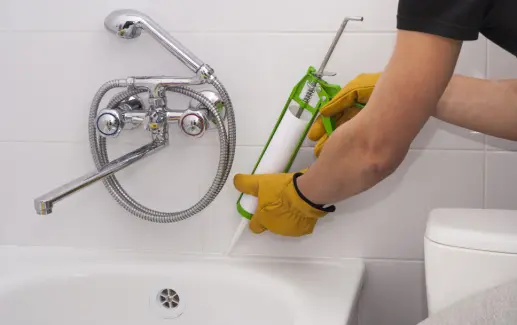
- Flawless Application Techniques: Trained technicians apply caulk with the right tools and techniques to achieve clean, even lines. From cutting the tip at a precise angle to smoothing the bead seamlessly, the application process is both an art and a science. Our team ensures a watertight finish that looks as good as it performs.
- Proper Curing for Maximum Protection: After application, a critical step is allowing the caulk to cure properly—typically at least 24 hours before any exposure to moisture. Professionals understand the importance of this timing and will ensure everything is set to deliver maximum durability. It’s all part of ensuring the job holds up over time.
Recaulking is more than just sealing gaps—it’s about protecting your investment. When done professionally, it extends the life of your bathroom and helps avoid future headaches. If your bathtub shows signs of wear, let our experienced team take care of it.
Need Professional Bathroom Recaulking in Tucson, AZ?
Need professional bathroom recaulking in Tucson, AZ? Tucson Tile & Grout specializes in sealing out moisture with expert caulking services that prevent water damage and mold. Our team ensures clean, durable results that restore both function and appearance. Call us today at 520-523-8499 to schedule your free consultation and protect your bathroom for years to come!
Frequently Asked Questions
Can improper caulking lead to more severe water damage in my bathroom?
Yes, improper caulking can definitely lead to more severe water damage in your bathroom. Inadequate or deteriorating caulk can allow water to seep behind the tub and into the walls, potentially causing mold growth, rotting wood, and structural damage. Regularly checking and replacing damaged caulk can save homeowners significant repair costs down the line.
What visible signs should I look for that indicate my bathtub caulk is deteriorating?
Look for visible signs such as discoloration, cracking, or peeling of the caulk around your bathtub, as these indicate deterioration. Mold or mildew growth in the seams is another significant red flag. Additionally, if you notice water seeping through the cracks, it’s crucial to address the problem promptly to prevent water damage and further repairs.
Are there specific types of stains or mold that suggest the caulk is failing?
Yes, specific types of stains and mold can indicate failing caulk. Look for dark mold spots, particularly black or green spots, which suggest moisture retention due to gaps or cracks in the caulk. Additionally, if you notice discoloration around the edges of the tub or persistent staining that doesn’t clean off easily, these are signs that the caulk may be compromised and needs to be replaced to prevent water damage and further mold growth.
How often should bathtub caulking be inspected or replaced?
Bathtub caulking should be inspected at least once a year and replaced every 5 to 10 years, depending on factors such as moisture levels and usage. Regular inspections help identify early signs of wear or mold growth, which can lead to water damage if left unaddressed.
Wondering why your grout looks dirty or discolored? Learn the step-by-step process professionals use to clean grout, eliminate discoloration, and restore tile surfaces.