
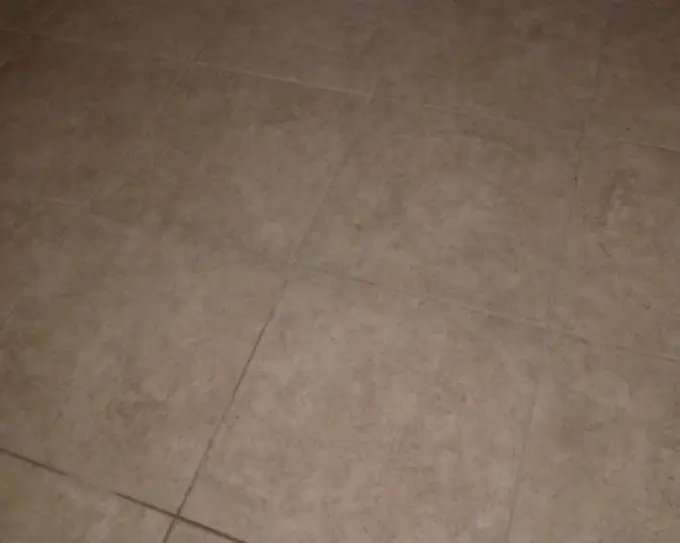
Travertine pool decks stay cooler underfoot than concrete, which is exactly why so many Tucson homeowners choose them. The tradeoff is porosity. That same open structure absorbs sunscreen, hard water, chlorine, and monsoon grit, and the Arizona sun works on the sealer from above the whole time.
The short answer on how to clean a travertine pool deck: sweep off loose grit with a soft-bristle broom, rinse with fresh water, then clean with a pH-neutral cleaner made for natural stone and a soft brush. Never use acidic cleaners or a pressure washer. Rinse splash zones the same day after pool use, and schedule professional cleaning and resealing before pool season.
Why Outdoor Travertine Breaks Down Faster Than Indoor Stone
An indoor travertine floor and an outdoor pool deck are the same stone facing completely different conditions. Four things drive the difference:
- UV exposure. Sealer degrades under sustained sunlight, and the EPA’s UV Index puts Arizona summer readings in the highest bands on the scale. South- and west-facing areas of a deck lose their protection noticeably sooner than shaded sections.
- Pool chemistry. Chlorine can gradually pull warmth out of travertine’s cream and gold tones. Saltwater systems leave crystallized salt in the pores as water evaporates, creating a chalky white residue that dulls the surface.
- Splash-out and body products. Sunscreen and tanning oils are greasy and they concentrate exactly where swimmers exit the pool. On worn sealer, they soak in and darken the stone.
- Monsoon runoff. Storms drive mud, pollen, and organic debris into travertine’s natural voids, and standing water in low spots gives algae somewhere to establish.
Hard irrigation water adds mineral deposits on top of all of it, particularly where spray heads hit the deck or coping.
How to Remove Algae From Travertine Pavers
Algae on travertine pavers needs a pH-neutral stone cleaner and gentle agitation, not bleach or a pressure washer. It shows up as a green or black film in shaded corners, near planters, and anywhere water sits after rain or irrigation.
The approach that works without damaging the stone:
- Clear away leaf litter and debris first, since organic matter holds the moisture algae depends on.
- Apply a pH-neutral cleaner labeled for natural stone and let it dwell long enough to break down the growth.
- Work it with a soft nylon brush, paying attention to the natural pits and grout lines where algae roots itself.
- Rinse thoroughly and let the area dry fully.
Bleach is a common instinct here and a poor choice. It can lighten and discolor travertine, and it does nothing about the conditions that let algae grow back. If algae keeps returning in the same spot, the real fix is usually drainage, trimming back landscaping for airflow and light, or resealing a section where the protection has failed.
Can You Pressure Wash a Travertine Patio?
No. Pressure washing travertine erodes the surface, widens its natural voids, and blows out grout and joint material. It is the single most common way homeowners damage an outdoor travertine deck.
The force that makes a pressure washer effective on concrete is what harms softer, limestone-based stone. The result is a pitted, roughened surface with contaminants driven deeper into the pores than brushing would ever push them, and once travertine is eroded that way, it cannot be cleaned back to its original texture.
Controlled manual agitation with a soft brush and the right cleaner removes more without the damage. Professional cleaning uses low-pressure equipment and extraction specifically because high pressure and natural stone do not mix.
Cleaners and Methods to Avoid
- Acidic cleaners, including vinegar, citrus-based products, and many all-purpose sprays marketed as natural. Travertine is limestone-based and reacts with acid, leaving dull, etched patches where the finish has dissolved.
- Alkaline degreasers, which seem logical for sunscreen but tend to leave a residue that attracts dirt. The deck looks good for a week, then dingier than before.
- Bleach, for the reasons above.
- High-pressure washing, as covered.
- Letting any cleaner dry on the surface. Work in sections, keep the stone wet, and rinse thoroughly. In Tucson heat, dried residue leaves its own film.
If a product label does not say it is safe for natural stone or limestone, leave it on the shelf.
Routine Travertine Paver Maintenance
Consistent light care prevents most of the problems that require restoration later:
- Sweep weekly with a soft-bristle broom to clear desert sand and landscaping debris before it grinds into the surface.
- Rinse with fresh water after sweeping. If you use a bucket, change the water often so you aren’t dragging grit back across the stone.
- Clean splash zones the same day after heavy pool use, where sunscreen and chlorinated water concentrate.
- Don’t neglect the grout. Porous grout traps moisture and staining agents that surface rinsing never reaches, and it’s usually the first thing to look dirty.
Travertine Pool Deck Sealing: What to Know
Sealing is what routine cleaning cannot replace. A penetrating sealer soaks into the pores and grout, slowing water absorption and buying time when sunscreen or pool chemicals land on the surface. It does not make the stone waterproof. Sealed travertine simply dries faster and resists staining far better than bare stone.
A simple test: sprinkle a few drops of water on the deck. If they bead up, the sealer is still working. If they soak in and darken the stone, the protection has worn through and it’s time to reseal.
Timing matters as much as frequency. Moderate spring and fall temperatures let sealer cure evenly and bond properly. Peak summer heat can flash-dry the product on the surface before it penetrates, and monsoon humidity interferes with adhesion. Scheduling travertine pool deck sealing ahead of pool season means the protection is in place before the heaviest use starts.
Signs Your Deck Needs Professional Attention
- A rough, gritty feel underfoot, which usually means sealer failure and open pores collecting embedded dirt.
- Dull, rough patches where something acidic etched the finish.
- Dark spots that don’t rinse away, especially at pool entry and exit points.
- Algae or mold returning in the same places despite cleaning.
- Darkened grout lines or deteriorating filler in the stone’s natural voids.
- White mineral crust along irrigation spray zones.
Caught early, most of these are straightforward. A small etched patch left through two seasons spreads into a much larger restoration job.
When Professional Cleaning Is the Smarter Call
At some point a broom and a stone-safe cleaner reach their limit. Embedded mineral deposits, years of buildup in the grout, and failed sealer need extraction equipment and product knowledge that a weekend effort can’t match.
Professional restoration starts with assessing the stone’s condition, identifying what’s actually on the surface and how deep the staining goes. Cleaning uses controlled, low-pressure methods that lift embedded soil without eroding the stone. Once the deck is clean and completely dry, a sealer suited to Tucson’s UV intensity and pool chemistry goes on.
Local experience matters here. Sealer chemistry and schedules that perform in a humid coastal climate behave differently under desert sun, hard irrigation water, and monsoon cycles. The same care principles apply to indoor stone as well, which we cover in our guide to cleaning a travertine shower.
Get Your Pool Deck Ready for the Season
Tucson Tile & Grout specializes in natural stone, handling travertine cleaning, stone restoration, grout sealing, grout color sealing, and recaulking with trained technicians and products matched to each surface and its condition.
We serve Tucson, Marana, Oro Valley, and the Catalina Foothills, and we offer free in-home estimates so you know what your deck needs and what it costs before any work begins. Schedule your free estimate or call (520) 523-8499.
Frequently Asked Questions
How do you clean a travertine pool deck?
Sweep away desert grit with a soft-bristle broom, rinse with fresh water, then clean with a pH-neutral cleaner made for natural stone and a soft brush. Rinse thoroughly and avoid letting any cleaner dry on the surface.
How do you remove algae from travertine pavers?
Clear away debris, apply a pH-neutral stone cleaner, let it dwell, then agitate gently with a soft nylon brush and rinse. Avoid bleach, which can discolor travertine and does not address why the algae is growing.
Can you pressure wash a travertine patio?
No. Pressure washing erodes the surface, widens the stone’s natural voids, and damages grout and joint material. The damage cannot be reversed by cleaning.
How often should a travertine pool deck be sealed?
It depends on sun exposure, pool chemistry, and traffic. The water-drop test tells you where you stand: if water soaks in rather than beading, it’s time to reseal. A professional can recommend an interval for your specific deck.
What cleaners should you avoid on travertine?
Avoid vinegar, citrus cleaners, and other acids, which etch limestone-based stone. Also avoid bleach and alkaline degreasers that leave dirt-attracting residue.