
If you’ve noticed your bathtub’s caulk looking cracked or peeling, you’re probably wondering when it needs to be replaced. While caulking might seem like a small detail, it plays a crucial role in keeping your Tucson bathroom dry and damage-free. Understanding when to recaulk can save you from costly water damage repairs down the line while keeping your tub looking fresh and clean.
You should recaulk your bathtub approximately every five years to maintain a watertight seal and prevent moisture damage. However, if you notice visible cracks, peeling, mold growth, or gaps in the caulk earlier than that, it’s essential to recaulk immediately to protect your bathroom’s integrity.
Signs It’s Time to Recaulk Your Bathtub
Knowing when to recaulk is essential for preventing water damage in your Tucson home. Here are the key warning signs to watch for:
Visible Cracks and Gaps
The first warning signs typically appear as visible cracks, gaps, or peeling caulk around your tub’s edges. When caulk starts cracking or pulling away, it loses its ability to form a watertight seal, allowing water to seep behind tiles or walls where it can cause mold growth, wood rot, and structural damage. Gaps larger than 1 millimeter or areas where the caulk has deteriorated to a brittle or crumbly texture indicate that immediate maintenance is needed.
Discoloration and Mold
Faded white caulk turning yellowish or brownish signals that the sealant is aging and possibly degrading chemically. Black or dark spots appearing on the caulk surface are clear signs of mold or mildew colonization. Since Tucson’s climate can create humid conditions in bathrooms, mold flourishes when water lingers longer than it should. Beyond damaging your bathroom’s appearance, mold carries genuine health risks by releasing allergens and irritants into your home.
Peeling or Pulling Away
When caulk begins peeling or pulling away from the tub or tile surfaces, it indicates adhesion failure and exposes underlying materials to water damage. This failure allows moisture to infiltrate behind your bathroom surfaces, potentially leading to expensive repairs if left unaddressed.
It’s smart to evaluate your bathtub’s condition annually, especially in Tucson’s climate, and plan for recaulking within five years or sooner if these warning signs appear.
Step-by-Step Guide to Recaulking
Successfully recaulking your bathtub requires careful preparation and proper technique. Here’s how professionals at Tucson Tile & Grout approach the job:
Remove Old Caulk Thoroughly
The most critical step is completely removing the old caulk, not just scraping away the surface. Use a utility knife or specialized caulk remover tool and work gently but firmly, being mindful not to scratch or chip the tub’s surface. Any lingering residue, even tiny bits, can prevent new caulk from sticking properly and invite future leaks or mold growth.
Clean and Prepare the Surface
Cleaning the exposed seam meticulously is essential for proper adhesion. Soap scum, mildew, and oils from everyday use cling stubbornly around your tub’s edges, so use rubbing alcohol or a mildew-specific cleaner to eliminate all grimy residues. Rinse well and allow the surface to dry fully for up to 24 hours, as applying caulk on even slightly damp areas compromises adhesion and leads to early peeling and cracking.
Apply Painter’s Tape
Carefully place painter’s tape on both sides of the seam where you’ll be applying caulk. This tape acts like a stencil that keeps your bead neat and prevents accidental smears on tiles or tub surfaces, saving you from scrubbing away uneven blobs or fixing sloppy lines later.
Apply New Caulk
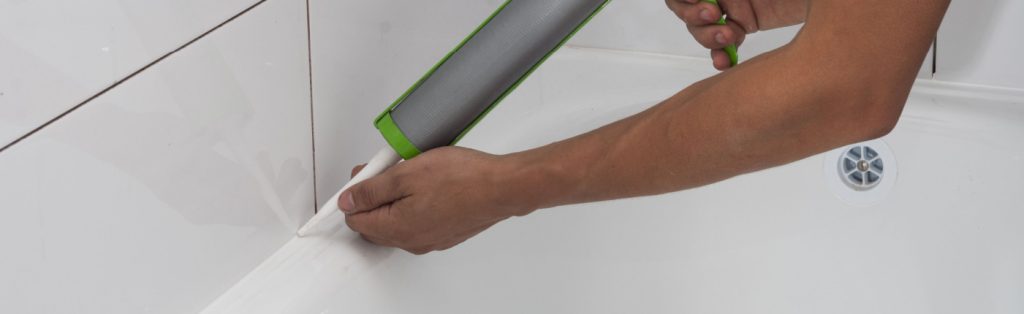
Using high-quality bath caulk, load your caulking gun and cut the nozzle tip at a 45-degree angle for controlled flow. Hold the gun steadily at about a 45-degree angle as you apply an even bead along the seam between tub and tile or wall. Immediately after applying each section, wet your finger or a smoothing tool and gently glide over the bead to press it into place and create a professional-looking finish.
Remove Tape and Allow Curing
Remove the painter’s tape before the caulk dries completely to prevent fresh edges from ripping or pulling away. Resist the temptation to use your tub for at least 24 hours, allowing the silicone to cure fully into a durable, waterproof barrier that will protect your walls and floor from moisture damage.
When to Call Tucson Tile & Grout
While many homeowners successfully recaulk their bathtubs on their own, there are times when professional recaulking expertise is essential:
Extensive Mold Issues
If you’re facing extensive mold that spreads deeply beneath or behind caulking, professional help is critical. Mold that penetrates past the surface represents a hidden health risk and requires specialized mold remediation treatments that not only remove visible mold but also address underlying causes to prevent it from returning.
Structural Concerns
Water that seeps behind your tiles or bathtub can gradually degrade wall and flooring materials. When caulk pulls away or tiles loosen, it signals that water has penetrated deeper than it should. At this stage, simple recaulking won’t fix the problem. Thorough inspection and repairs by skilled technicians become necessary to prevent costly future renovations.
Professional Quality and Longevity
For Tucson bathrooms with heavy daily use or high humidity, professional recaulking services ensure better results through superior materials and techniques. Tucson Tile & Grout uses high-quality silicone caulks designed for longevity, often lasting over 10 years compared to standard DIY options averaging five years. Professionals completely remove all old caulk, ensure proper adhesion with thorough surface preparation, and apply mold-retardant treatments behind the new caulk to minimize future issues.
Maintenance Tips for Tucson Homes
Extending the life of your bathtub caulk requires consistent maintenance:
Routine Inspections
Make it a habit to examine the caulk lines at least every few months, especially around tubs and showers where water exposure is constant. Look closely for any cracking, shrinking, or peeling spots that can become entry points for moisture and cause mold growth or wall damage. Catching wear early prevents expensive repairs later.
Regular Cleaning
Clean your caulk monthly with warm water mixed with mild detergent, using a soft cloth or sponge to wipe down the seams. Avoid harsh scrubbing tools or bleach-based cleaners that can erode silicone or latex caulk prematurely, causing cracks and discoloration. Stick with mild solutions and avoid abrasive brushes so your caulk maintains its flexibility and seals tightly for years.
Proper Ventilation
Controlling moisture in your Tucson bathroom directly influences how long your caulk lasts. Run an exhaust fan during showers and leave it on for 20 to 30 minutes afterward to help dry out the air quickly. Opening a window when possible adds fresh airflow to speed up drying further, protecting your caulk and curbing mold formation inside the grout and behind tiles.
Need Professional Recaulking in Tucson, AZ?
If you’re dealing with persistent mold, extensive damage, or simply want professional results that last, Tucson Tile & Grout is here to help. As a trusted local, woman-owned business, we provide thorough caulk removal and replacement, ensuring your bathroom stays protected and beautiful for years to come. Visit our website or call us at 520-523-8499 for a free in-home estimate.
Frequently Asked Questions
How often should I recaulk my bathtub in Tucson’s climate?
In Tucson’s climate, you should recaulk your bathtub approximately every five years under normal conditions. However, the dry heat combined with periods of high humidity in bathrooms can cause caulk to deteriorate faster, so inspect your caulk regularly for signs of wear. If you notice cracks, peeling, discoloration, or mold growth before the five-year mark, recaulk immediately to prevent water damage.
Can I just caulk over old caulk instead of removing it?
No, you should never caulk over old caulk because the new layer won’t adhere properly to the deteriorated surface. This creates a weak seal that’s prone to peeling, cracking, and allowing water infiltration. Complete removal of old caulk is essential for ensuring proper adhesion and creating a watertight seal that lasts.
What type of caulk is best for bathtubs in Tucson?
100% silicone caulk is the best choice for bathtubs because it offers excellent water resistance, flexibility, and durability that withstands Tucson’s temperature fluctuations. Silicone caulk resists mold growth better than acrylic or latex varieties and maintains its seal for years without cracking or peeling under constant moisture exposure.
How do I know if water damage has already occurred behind my bathtub caulk?
Signs of water damage behind caulk include loose or hollow-sounding tiles, discoloration on walls near the tub, musty odors, visible mold spreading beyond the caulk line, or caulk that pulls away easily. If you notice any of these signs, contact Tucson Tile & Grout immediately for a professional inspection to assess the extent of damage and prevent further deterioration.
Is professional recaulking worth the cost compared to DIY?
Professional recaulking offers significant value through complete old caulk removal, thorough surface preparation, mold remediation treatments, and application of high-quality materials that can last for years. While DIY is more affordable upfront, professional service ensures proper technique, saves you time and physical effort, and prevents costly water damage from improper application.
How long does professional bathtub recaulking take?
Professional recaulking typically takes a few hours, including removal of old caulk, surface preparation, application, and cleanup. However, you’ll need to wait 24 hours before using your bathtub to allow the new caulk to cure completely. Tucson Tile & Grout schedules appointments at your convenience to minimize disruption to your daily routine.