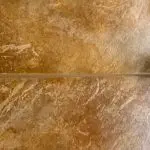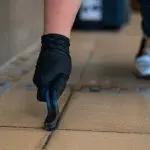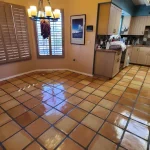

Travertine tile brings timeless elegance to Tucson homes with its natural beauty and distinctive texture. However, keeping this natural stone looking its best requires using the right cleaning tools and techniques. Many homeowners unknowingly damage their travertine surfaces by using harsh brushes, acidic cleaners, or abrasive equipment that scratches or etches the porous stone.
The best tools to clean travertine tile include soft-bristle brushes, microfiber mops, pH-neutral stone cleaners, and gentle scrubbing pads designed specifically for natural stone. These tools effectively remove dirt and grime without scratching the surface, stripping sealers, or causing chemical damage that can permanently dull travertine’s natural shine and texture.
Understanding Travertine Tile and Why Tool Selection Matters
Before selecting cleaning tools for your travertine tile, it’s important to understand what makes this natural stone unique. Travertine forms from mineral deposits in hot springs and limestone caves, creating beautiful variations in color and texture but also making it more vulnerable than manufactured tiles.
Why Travertine Requires Specialized Cleaning Tools
- Natural Porosity Makes It Absorbent: Travertine’s porous structure readily absorbs liquids, meaning harsh chemicals can penetrate deep into the stone and cause discoloration or structural weakening.
- Softer Than Many Other Stone Surfaces: Travertine rates between 3-4 on the Mohs hardness scale, making it softer than granite or marble, which means abrasive brushes or aggressive scrubbing tools can easily scratch the surface.
- Acid-Sensitive Composition: As a calcium-based stone, travertine reacts chemically with acidic cleaners like vinegar, lemon juice, or most bathroom cleaners, causing etching that creates dull spots and permanent surface damage.
- Unique Surface Variations Require Gentle Handling: The natural pitting, holes, and texture variations in travertine mean dirt accumulates unevenly, requiring cleaning tools that can reach into crevices without damaging delicate edges.
Common Damage from Wrong Cleaning Tools
- Surface Scratching from Abrasive Brushes: Wire brushes, stiff-bristle scrubbers, or scouring pads create fine scratches that trap dirt and dull the finish.
- Chemical Etching from Acidic Cleaners: Common household cleaners containing acids dissolve the calcium carbonate in travertine, creating permanent dull spots and rough patches.
- Sealer Stripping from Harsh Products: Aggressive cleaning solutions break down protective sealers prematurely, leaving your travertine vulnerable to staining and moisture damage.
- Discoloration from Colored Cleaning Pads: Using colored scrubbing pads on light travertine can transfer dye into the porous stone, creating permanent staining.
Essential Cleaning Tools for Travertine Tile
Professional tile care specialists like Tucson Tile & Grout use specific tools designed to clean travertine effectively while preserving its natural beauty and protective sealers.
Soft-Bristle Brushes
- Natural or Synthetic Soft Bristles Work Best: Brushes with soft nylon or natural fiber bristles effectively loosen dirt without scratching.
- Grout Brushes for Detailed Work: Small grout brushes with soft bristles reach into the natural pits and holes characteristic of travertine.
- Avoid Stiff Bristles and Wire Brushes: Hard-bristled brushes, wire brushes, and steel wool will scratch the surface and strip sealers.
- Long-Handled Brushes for Floor Cleaning: Soft-bristle deck brushes with long handles allow you to clean large floor areas with gentle, even pressure.
Microfiber Mops and Cloths
- Superior Dirt Capture Without Scratching: Microfiber’s fine synthetic fibers trap dirt particles within the material rather than pushing them across the surface.
- Highly Absorbent for Quick Drying: Microfiber absorbs significantly more water than cotton, helping travertine dry faster and reducing the risk of water spots.
- Reusable and Cost-Effective: Quality microfiber mops and cloths can be washed and reused hundreds of times.
- Flat Mop Heads for Even Cleaning: Flat microfiber mop heads distribute cleaning solution evenly and allow better contact with travertine’s textured surface.
pH-Neutral Stone Cleaners
- Specifically Formulated for Natural Stone: pH-neutral cleaners designed for stone surfaces effectively remove dirt and oils without the acids or alkalis that damage travertine.
- Safe for Sealed and Unsealed Surfaces: Quality stone cleaners work effectively on both sealed and unsealed travertine without breaking down protective sealers.
- Concentrated Formulas Offer Better Value: Professional-grade concentrated stone cleaners dilute with water according to cleaning needs.
- Leave No Dulling Residue: Unlike many all-purpose cleaners, pH-neutral stone cleaners rinse clean without leaving film that dulls travertine’s natural luster.
Gentle Scrubbing Pads
- White or Tan Non-Abrasive Pads: Light-colored non-abrasive scrubbing pads safely remove stuck-on dirt without scratching, and their neutral color prevents dye transfer.
- Melamine Foam Cleaning Sponges: These white sponges effectively remove scuff marks and light staining without chemicals or excessive scrubbing.
- Avoid Green Scrubbing Pads: Standard green kitchen scrubbing pads are too abrasive and will scratch the surface while transferring color into the stone.
Tools to Avoid When Cleaning Travertine
Understanding which tools damage travertine helps protect your investment and maintain its appearance for years to come.
Abrasive Cleaning Equipment
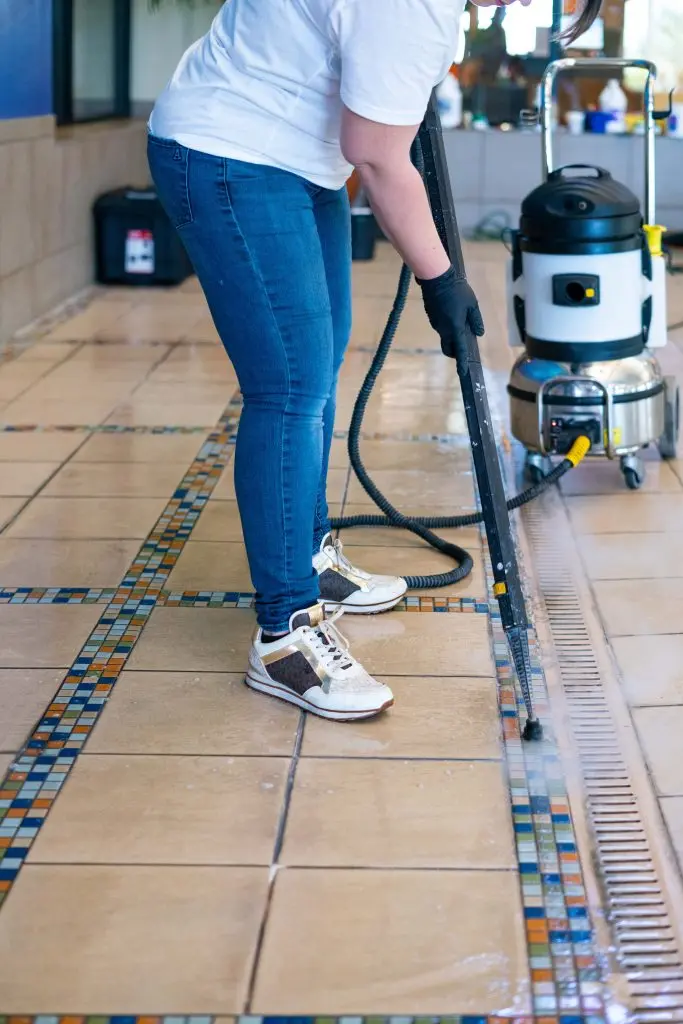
- Steam cleaners without proper training can force moisture deep into the porous stone
- Pressure washers can erode grout lines and chip travertine tiles
- Floor scrubbing machines without soft pads will scratch and damage the surface
- Stiff-bristle power brushes strip protective sealers and create permanent damage
Inappropriate Cleaning Solutions
- Vinegar-based natural cleaners etch travertine by dissolving its calcium carbonate composition
- Bleach and ammonia products discolor travertine and break down protective sealers
- All-purpose household cleaners contain acids or alkalis that damage natural stone
- Wax-based products create buildup that dulls appearance and traps dirt
Proper Cleaning Techniques for Travertine Tile
Using the right tools effectively requires proper technique to achieve professional-quality results without damaging your Tucson home’s travertine surfaces.
Daily and Weekly Maintenance
- Dry Dust Mopping Removes Abrasive Particles: Use a dry microfiber dust mop daily to remove dirt and sand that can scratch travertine when walked on.
- Damp Mopping with Minimal Water: Lightly dampen your microfiber mop with pH-neutral stone cleaner, wringing it thoroughly so it’s just barely damp.
- Immediate Spill Cleanup Prevents Staining: Blot spills immediately with a soft cloth and clean the area with stone cleaner.
- Entrance Mats Reduce Dirt Tracking: Place mats at entrances to trap dirt and moisture before it reaches your travertine floors.
Deep Cleaning Process
- Start with Dry Removal of Loose Debris: Thoroughly sweep or vacuum before wet cleaning to prevent grinding dirt into the stone’s surface.
- Apply pH-Neutral Cleaner Properly Diluted: Mix stone cleaner according to manufacturer’s instructions and apply sparingly with a microfiber mop.
- Use Soft Brushes for Stubborn Areas: Gently scrub with a soft-bristle brush using circular motions and light pressure.
- Rinse Thoroughly with Clean Water: Mop the entire area again with plain water to remove any cleaner residue.
- Dry Completely to Prevent Water Spots: Use a clean, dry microfiber cloth or allow adequate air circulation for complete drying.
When to Call Tucson Tile & Grout
While regular maintenance can be handled by homeowners, certain situations require professional expertise to protect your travertine investment.
Professional Deep Cleaning Needs
- Annual or Bi-Annual Professional Maintenance: Travertine benefits from professional deep cleaning every 1-2 years to remove embedded dirt and restore shine.
- Heavily Soiled or Neglected Travertine: Professional cleaning equipment and techniques can restore appearance without causing damage.
- Pre-Sale Home Preparation: Professional cleaning significantly improves appearance and appeal to potential buyers.
Restoration and Repair Services
- Etching and dull spot correction through professional honing and polishing
- Deep stain removal using specialized poultices and extraction techniques
- Thorough grout cleaning to address embedded dirt
Professional Sealing Services
Tucson Tile & Grout evaluates your specific travertine type and location to recommend appropriate sealers, applies multiple thin coats with proper drying time between layers, and establishes regular resealing schedules to protect your investment.
Why Choose Tucson Tile & Grout for Travertine Care
Tucson Tile & Grout specializes in natural stone care, understanding both travertine’s unique properties and Tucson’s environmental challenges.
- Understanding Tucson’s Climate Impact: We recognize how hard water, desert dust, and temperature extremes specifically affect travertine.
- Regional Stone Expertise: We understand the variations in travertine quality found throughout Tucson homes.
- Commercial-Grade Stone Cleaners: We use professional pH-neutral cleaners that provide superior cleaning without harsh chemicals.
- Premium Sealers for Long-Lasting Protection: We apply professional-grade sealers that provide years of protection.
- Transparent Pricing and Written Estimates: We provide detailed written estimates that clearly explain all services and costs.
- Satisfaction Guarantees: If you’re not satisfied with our results, we’ll return to address concerns at no additional charge.
Contact Tucson Tile & Grout Today
Ready to restore and protect your travertine tile’s natural beauty? Tucson Tile & Grout provides expert cleaning, sealing, and restoration services using the proper tools and techniques designed specifically for natural stone. Contact us today at (520) 523-8499 to schedule your consultation and discover why Tucson homeowners trust us for all their tile and grout care needs.
Frequently Asked Questions
Can I use vinegar to clean travertine tile?
No, you should never use vinegar on travertine tile because its acidic nature chemically reacts with the stone’s calcium carbonate composition, causing permanent etching and dull spots. Always use pH-neutral cleaners specifically formulated for natural stone.
What’s the best mop for cleaning travertine floors?
Microfiber mops are the best choice for travertine floors because their fine synthetic fibers effectively trap dirt without scratching, they absorb water quickly to prevent over-wetting, and they’re reusable and economical.
How often should travertine tile be professionally cleaned in Tucson?
Travertine tile in Tucson homes should be professionally cleaned every 1-2 years depending on traffic levels and exposure to dust. High-traffic areas may benefit from annual cleaning, while less-used indoor spaces can extend to every two years.
Can I use a steam cleaner on travertine tile?
Steam cleaners can be used on travertine but only with proper training and technique, as improper use can force moisture deep into the porous stone, potentially causing discoloration or efflorescence. Professional stone care specialists have the expertise to safely use steam cleaning when appropriate.
What causes white residue on travertine tile after cleaning?
White residue on travertine typically indicates either hard water mineral deposits from Tucson’s mineral-heavy water supply or efflorescence caused by moisture carrying salts to the surface. Using distilled water for final rinsing and ensuring proper sealing prevents these issues.
How do I know if my travertine needs resealing?
Test your travertine’s sealer by sprinkling a few drops of water on the surface. If water beads up, the sealer is intact; if it absorbs within a few minutes, resealing is needed. Most travertine in Tucson requires resealing every 1-3 years depending on traffic and cleaning frequency.